
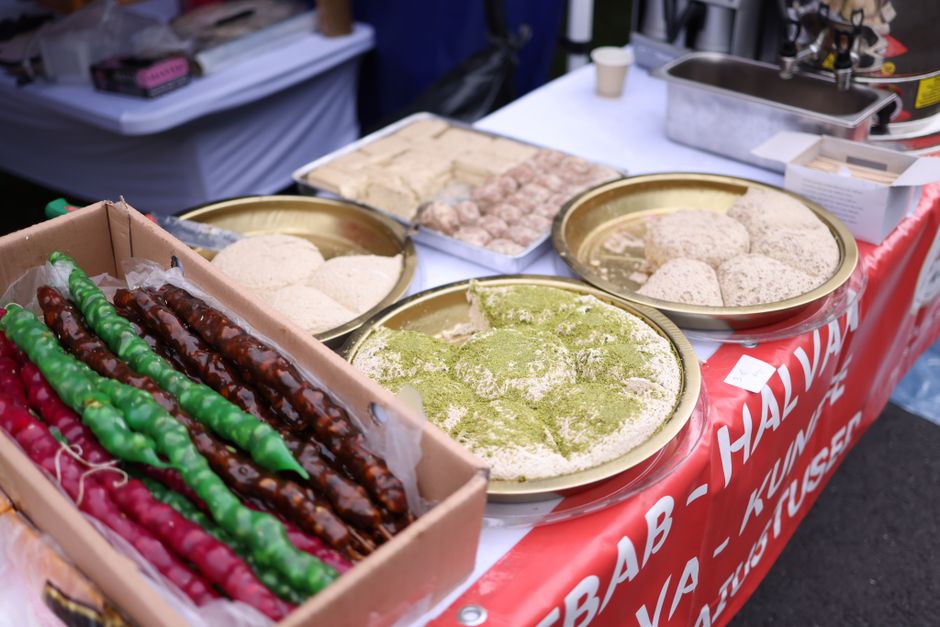
Overview
Tahini Halva belongs to the sweets & sweeteners group in this encyclopedia. At the well-controlled level it carries a "Lower impact" rating, though — as with most foods — the sensible portion shrinks as blood sugar control loosens. Values for this item are approximate — they were recovered from a lower-confidence source table and are a reasonable starting estimate rather than a precise figure. If a decision depends on the exact number, confirm with a nutrition label or your clinician.
Calories & Nutrition
Tahini Halva provides about 536 calories per 100 g. It contains roughly 50 g of carbohydrate per 100 g, which is the figure that matters most for blood sugar planning.
Carbohydrates & Blood Sugar
After a meal, carbohydrate is broken down to glucose and absorbed into the blood; insulin then helps move it into cells. Foods that release glucose slowly produce a smaller, steadier rise.
Tahini Halva typically combines refined starch, sugar and fat: the starch and sugar convert to glucose quickly, while the fat slows how fast the whole mixture leaves the stomach, producing a response that starts fast and can then run longer than a simple starch alone.
Counting carbs is easier when you have the right tool.
Suggested Serving Size
The table below shows the estimated impact and a sensible portion of Tahini Halva at each of the three diabetes control levels used throughout this encyclopedia. These are estimates derived from the food's carbohydrate content, fibre, category and physical form, together with established diabetes nutrition principles — not measurements of anyone's glucose response. Treat them as a starting point for planning rather than a fixed rule.
Foods are rated across three diabetes control categories — find the row that matches your HbA1c or fasting blood sugar:
| Control level | Safety rating | Suggested portion |
|---|---|---|
| Well-controlled HbA1c ≤ 6.5% (or fasting glucose 110–140 mg/dL) | Lower impact | about 30 g |
| Moderately controlled HbA1c 6.6–8.5% (or fasting glucose 141–180 mg/dL) | Lower impact | about 30 g |
| Poorly controlled HbA1c > 8.5% (or fasting glucose > 180 mg/dL) | Use caution | about 6 g |
Portion Calculator
See the carbs for any portion size:
50 g of carbs in that portion
How you use the portions below depends on your type of diabetes:
If you have type 1 diabetes, you are the one dosing insulin — so count the carbohydrates. Use the carbohydrate figure and the portion shown to match your insulin to the meal, and confirm doses with your care team.
If you have type 2 diabetes, be careful with the amount and follow the safe portion for your control level. The safe quantity shrinks as blood-sugar control loosens — use the row that matches your HbA1c or fasting sugar.
You know the portion. Now understand how it fits into your insulin decision.
Safety for Diabetics
Tahini Halva is manageable for most people with diabetes at the portions shown above, but caution generally increases as control worsens — notice how the safety rating and portion size change from the well-controlled row to the poorly-controlled row in the table.
Group-level caution: Instant cereal blends, all chocolate, and tahini halva (with or without sugar) call for real caution. Even sugar-free designer sweets can affect appetite and glucose regulation, so keep portions small and occasional.
Specialist notes
General caution (General caution)
Cerelac-type instant cereals, all chocolate, and tahini halva (with or without sugar) warrant real caution. Artificial sweeteners are considered safe, but do not overuse them — excess may cause digestive upset and a false sense of security that leads to overeating.
Recommendations may differ in individual cases — always follow your treating physician's instructions.
Blood Sugar & Insulin Considerations
Every food that raises blood sugar also has some bearing on insulin needs, whether that insulin comes from your own pancreas or an injection. Rather than memorising numbers for every food, many people find it easier to lean on a tool at the moment of eating. This is exactly the gap Flona is built for: it helps estimate the carbohydrate in a portion like the one above and supports your insulin decision — basal, rapid-acting, mixed or meal-based — without replacing the judgement of your physician or diabetes care team.
Controlling Your Blood Sugar with Tahini Halva
Blood sugar control is rarely about a single food in isolation — with Tahini Halva, a few practical habits make the real difference.
Tahini Halva combines sugar, refined flour and fat, so a smaller portion plus some activity afterwards does more to flatten the response than any single ingredient swap.
Practical steps to keep your blood sugar steady
- Treat Tahini Halva as an occasional, planned item after a balanced meal rather than a frequent snack.
- Choose a smaller slice or portion rather than a full serving.
- A short walk after eating it can help use up some of the resulting glucose.
- Pair it with a meal rather than eating it alone on an empty stomach.
- Splitting a single serving of Tahini Halva between two people, or saving half for another day, cuts the portion without giving it up entirely.
The point isn't to overthink every serving of Tahini Halva — it's to build a couple of these habits into a routine so the response becomes predictable over time.
Scientific Explanation
Tahini Halva typically combines gelatinised starch from flour with free sugar and fat, so the amylase enzyme has an easy starch target to break down while the fat simultaneously slows how fast the whole mixture leaves the stomach.
Tips
- Stick close to the portion shown for your control level (about 30 g at well-controlled) rather than estimating by eye.
- Pair Tahini Halva with a source of fibre, protein or healthy fat to slow the rise in blood sugar.
- Check your blood sugar after trying a new portion for the first time, so you learn your own response rather than relying on averages.
- Reassess portions with your care team if your HbA1c or control level changes.
- Track how Tahini Halva affects you over a few occasions rather than judging from a single reading.
Frequently Asked Questions
Is Tahini Halva safe for diabetics?
At the well-controlled level, Tahini Halva carries a "Lower impact" rating at the portion shown above. Caution increases as control worsens, so check all three tiers before deciding.
How much Tahini Halva can a diabetic eat?
At the well-controlled level, the suggested portion is about 30 g. Portions shrink at the moderate and poorly controlled levels — see the table above for the exact amount at your level.
Does Tahini Halva raise blood sugar?
Yes, to some degree — Tahini Halva contains about 50 g of carbohydrate per 100 g, and carbohydrate is the main driver of a post-meal glucose rise. How much it raises your blood sugar depends on the portion eaten and your individual response.
How can I keep my blood sugar steady after eating Tahini Halva?
Two things help most with Tahini Halva: treat Tahini Halva as an occasional, planned item after a balanced meal rather than a frequent snack, and choose a smaller slice or portion rather than a full serving. Responses vary between people, so check your own glucose after eating it a few times rather than relying on averages.
Comments