

Introduction
A lot of general diabetes advice online gets muddled because it tries to serve both types at once, and honestly, that muddling can cost you. Type 1 and type 2 share a name and a high blood sugar reading, and the resemblance mostly stops there. Which one you have should genuinely shape how you think about your plate, so let me separate the two properly, in plain terms. This is general education, not a replacement for your own care team, whose targets are the ones that actually apply to you.
The reason the strategies split apart
In type 1, the pancreas makes little or no insulin of its own, so every gram of insulin in your body arrived there by injection or pump, on purpose, at a time you chose. That changes the whole question food asks of you. In type 2, the body is usually still making insulin, sometimes plenty of it, but responding to it poorly, so the priority shifts toward easing the load on a system that is already straining, through portions, food choices, and the everyday habits that improve how well insulin actually works.
If you have type 1, carb counting is your real skill
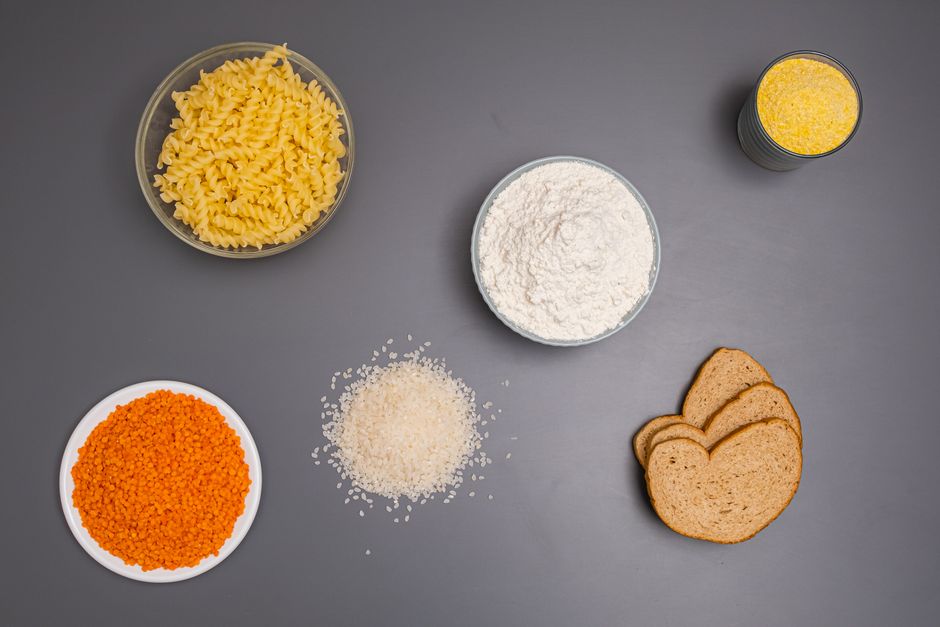
Because you are the one deciding the dose, knowing roughly how many grams of carbohydrate are on your plate is what lets that dose actually match the meal in front of you. Every food page in this encyclopedia lists carbohydrate per 100 grams and per a realistic portion, specifically to make that counting easier day to day. The dose itself stays a decision between you and your clinician, always, but having the number in front of you is most of the battle.
If you have type 2, the control level is what to watch
For type 2, caution and portion size matter more than precise carb math, and specifically portion size tuned to how your control is running right now. That is exactly why the safety tables across this site are split into three control levels, well controlled, moderate, and poorly controlled, because the safe amount of a given food genuinely shrinks as control loosens. Find the row that matches your own HbA1c or fasting sugar and treat the portion shown there as your honest starting point, not the last word.
Turn what you just learned into a daily habit — Flona helps you apply it to real meals and doses.
What still holds true either way
Underneath the different strategies, some things do not change based on your type. Slower digesting, higher fibre foods behave more kindly in anyone's blood sugar. Portions still matter, whichever type you are managing. And your own response, checked and tracked, will always tell you more than any general chart could. The numbers, in either case, are there to teach you something, not to be feared.
Key points
- Type 1: you are the one dosing insulin, so carbohydrate counting is the real skill, and the carb-per-portion figures on each food page exist to help with exactly that.
- Type 2: safe portions tuned to your current control level matter more than precise carb math, which is why the tables here are split into three control tiers.
- Whichever type you have, slower and higher fibre foods behave more kindly, portions still matter, and tracking your own response beats any general chart.


Comments