
Introduction
The hardest part of this conversation is that the eyes almost never complain until real damage has already been done, and I have had patients skip their screening appointment for years simply because their vision felt completely fine. It nearly always does, right up until it does not. Let me explain what is actually happening in there, and why that one yearly appointment is worth protecting.
What retinopathy actually is
Retinopathy is damage to the tiny blood vessels lining the retina, the light sensitive layer at the back of the eye that does the actual work of seeing. Years of blood sugar running above target can cause those small vessels to leak or become blocked, and eventually that starts to threaten your sight. The early stages cause no visible symptoms whatsoever, which is precisely the danger of it.
Why symptoms are the wrong thing to wait for
By the time someone notices blurred patches, floaters, or a genuine change in their vision, the retina has often already sustained damage that is harder to reverse. A screening photograph of the back of the eye can pick up the earliest changes long before you would ever feel a thing, which is the entire reason this screening exists as a separate appointment from your ordinary eye test at the optician.
What the annual screen actually involves
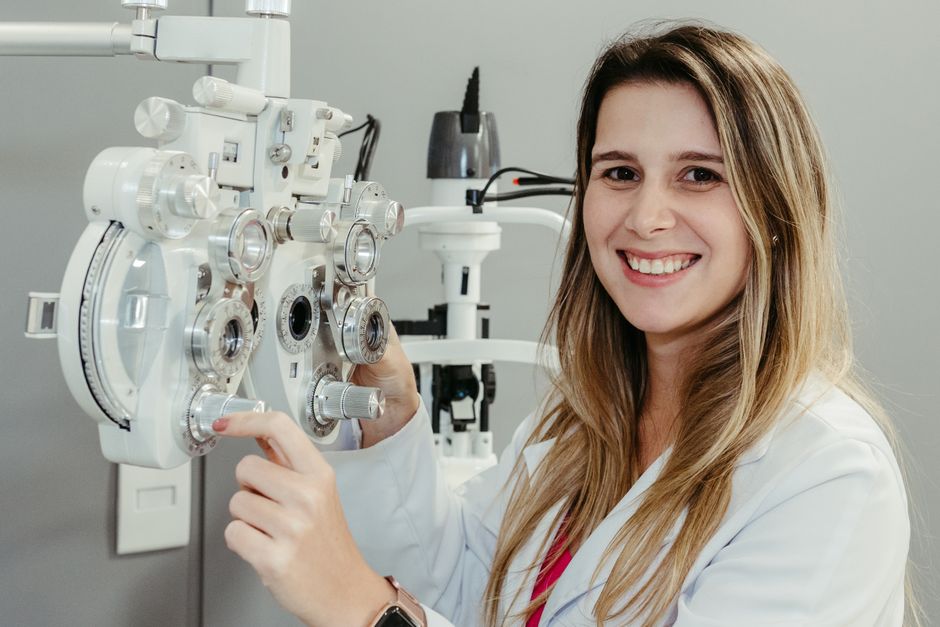
It is quick and it does not hurt, usually a photograph taken of the back of each eye, sometimes after drops that widen the pupil for a clearer image. It should happen every year regardless of whether you also see an optician or an eye specialist for something unrelated, because this specific screen is looking for something quite different than an ordinary sight test would catch.
Turn what you just learned into a daily habit — Flona helps you apply it to real meals and doses.
What actually protects your eyes
Keeping blood glucose, blood pressure and cholesterol closer to target over the years is genuinely the biggest lever here, alongside not smoking. None of that guarantees anything, bodies do not work on guarantees, but the risk drops meaningfully with steadier numbers over time. And if a problem is ever caught early at screening, there are real, effective treatments for it, which is exactly why catching it early is worth so much more than catching it late.
Key points
- Retinopathy is damage to the tiny blood vessels in the retina from years of above target blood sugar, and it causes no symptoms in its early stages.
- Waiting for blurred vision or floaters means waiting too long. The annual screening photograph catches changes long before you would feel anything.
- The screen is separate from an ordinary eye test and should happen every year regardless of what other eye care you attend.
- Steadier blood glucose, blood pressure and cholesterol, plus not smoking, genuinely lower the risk over time, and early treatment works well when it is needed.

Comments