
Introduction
People often use "CGM" and "flash monitor" interchangeably, and that mix up leads to a genuinely confusing first conversation about which one someone is actually being offered. They work on a similar principle underneath, but the day to day experience of using them is different enough that it is worth being clear about which one we are actually talking about.
What is actually under the patch
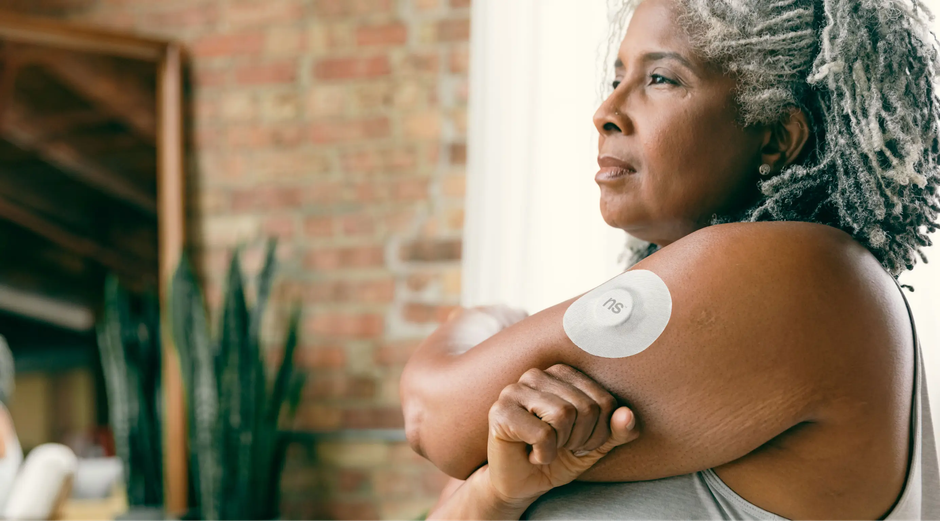
A flash monitor uses a small sensor worn on the skin, much like a continuous monitor does, reading the glucose in the fluid just under the surface rather than in your blood directly. It typically lasts up to fourteen days. The sensor itself is doing broadly similar work to a CGM sensor.
The difference is in how you get the number
This is the actual distinction that matters day to day. A flash monitor does not stream its readings anywhere automatically. You have to physically scan a reader device, or your phone, over the sensor to pull up the current reading and a trend arrow. A CGM, by contrast, pushes its readings out continuously without you doing anything at all.
Why that means no alarms
Because the data only ever gets sent when you actively scan for it, a flash monitor cannot alert you the way a true CGM can. There is no notification if you drop low overnight while you are asleep, since nothing is being sent until you next scan. For some people that trade off is entirely fine. For others, particularly anyone worried about undetected night time lows, that missing alarm function is the deciding factor toward a full CGM instead.
Turn what you just learned into a daily habit — Flona helps you apply it to real meals and doses.
What stays exactly the same either way
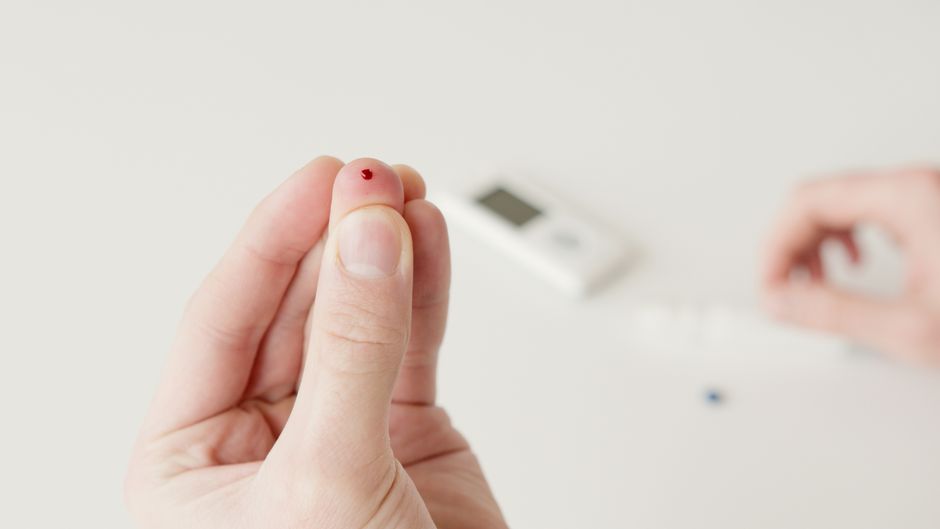
Neither system fully replaces your finger-prick meter. You still confirm with an actual finger prick before treating a low or a high if the reading and how you feel do not line up, and the same lag between blood and the fluid the sensor is actually reading applies to both devices equally. Both can also be uploaded to software afterward to see your patterns and trends over time, which is genuinely useful at a clinic review.
Key points
- A flash monitor and a CGM both read glucose in the fluid under the skin, using a sensor worn for one to two weeks depending on the device.
- The real difference is that flash monitoring needs an active scan to see the reading, while a CGM streams the data automatically without you doing anything.
- Because nothing streams automatically, flash monitoring has no alarms, which matters most for anyone worried about undetected overnight lows.
- Neither system replaces a finger-prick meter entirely. Both still need confirming with a finger prick before treating a low or a high that does not match how you feel.
Comments