
Introduction
A teenager once told me she had given up on team sports entirely because her sugar always seemed to do something unpredictable during a match, and once we actually worked through what different activities do, sport went right back onto her calendar. Movement is genuinely one of the best things you can do for your health with type 1, and it is worth understanding the actual pattern rather than avoiding exercise out of uncertainty.
Why the type of exercise actually matters
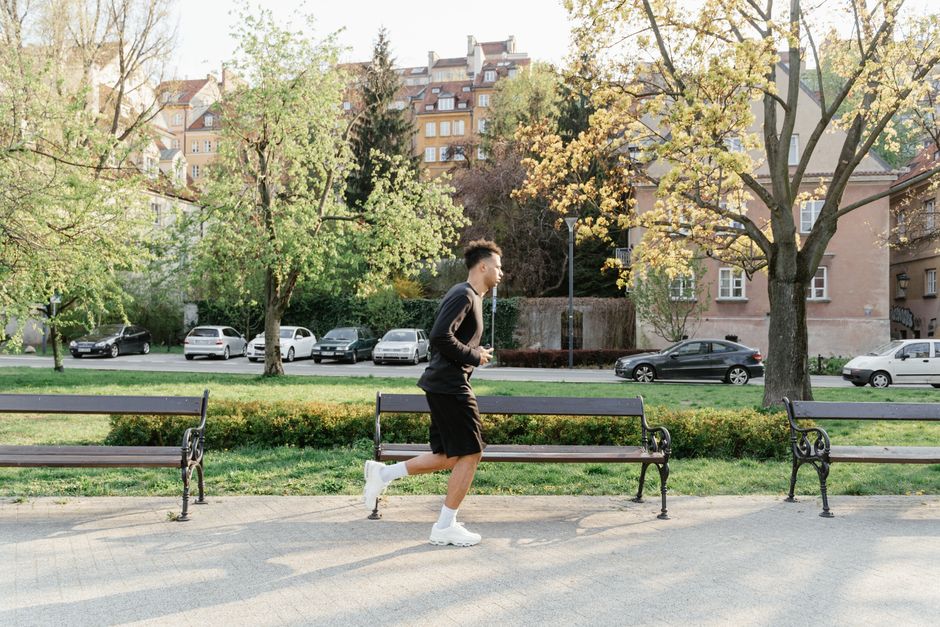
Not all activity behaves the same way in your blood sugar. Longer, steadier efforts, distance running, cycling, swimming laps, tend to push blood sugar down as your muscles burn through glucose steadily over time. Short, intense bursts, weight lifting, a hard sprint, a squash match, often do the opposite and push sugar up for a while, partly from the stress hormones your body releases during intense effort. Knowing which category something falls into changes how you plan around it.
What actually happens afterward
Hypos can turn up after exercise finishes too, sometimes hours later, as your muscles keep pulling glucose out of the blood to rebuild the fuel stores they used up during the activity. This delayed effect catches people out more than the exercise itself does, which is exactly why checking your sugar in the hours after a workout, not just during it, matters as much as checking beforehand.
The basics worth building into every session
Check your blood sugar before you start, during longer sessions, and afterward, since these readings are what actually teach you and your team how to adjust insulin or food around your particular activities. Skip exercise altogether if your sugar is high, above about fourteen, and ketones are present, because without enough working insulin in your system, exercise can push glucose even higher rather than down. Always carry fast acting carbohydrate with you, and where you can, avoid exercising completely alone, or at least make sure someone nearby knows what a hypo looks like for you.
Turn what you just learned into a daily habit — Flona helps you apply it to real meals and doses.
Learning your own particular pattern
Everyone responds a little differently, so the honest answer is that you learn your own pattern through checking, not through a generic rule. If a hypo happened in the last day or so, your risk during exercise goes up, so a bit of extra caution and more frequent checks are worth it in that window. Competitive sport carries its own quirk too. The adrenaline before a match can push your sugar up before you have even started moving, which is worth knowing so it does not throw you off during warm up.
The practical things around the edges
Wear shoes that actually fit and support your feet properly, and give them a look afterward for any redness, blisters or hard skin forming, tying back to how important foot care is in diabetes generally. Drink enough to stay properly hydrated rather than waiting until you are thirsty to start. And if you genuinely feel unwell during activity, stop and get checked rather than pushing through it.
Key points
- Steady, longer exercise tends to lower blood sugar, while short, intense bursts can raise it, partly from stress hormones released during hard effort.
- Hypos can arrive hours after exercise finishes, as muscles keep pulling in glucose to rebuild what they used, so check afterward, not just during.
- Check before, during longer sessions, and after exercise, and skip it entirely if sugar is above about fourteen with ketones present.
- Carry fast acting carbohydrate, avoid exercising totally alone where you can, and take extra care if a hypo happened in the last day or so.
- Everyone responds a little differently, so learning your own pattern through checking matters more than any single general rule.



Comments