

Introduction
I have watched people reach for a chocolate bar the moment they feel a low coming on, and I understand the instinct completely, but it is genuinely the wrong food for the job. A hypo has a proper way to treat it, and getting it right the first time matters more than people realise, both for how fast you recover and for avoiding a rollercoaster afterward.
What actually counts as a hypo
A hypo, short for hypoglycaemia, is a blood sugar under 4. Common causes include too much insulin relative to what you have eaten, unplanned exercise, alcohol, or simply a hot day, since heat can make insulin act more strongly than usual. Early warning signs vary from person to person, but shakiness, sudden hunger, sweating, and feeling confused or dizzy are the ones that come up again and again.
Why chocolate is the wrong choice here
It feels intuitive, sugar is sugar, but chocolate contains a fair amount of fat, and fat slows down how quickly sugar gets absorbed into your blood. When you are already low, that delay works against you exactly when speed is what you need. You want a fast acting carbohydrate with as little fat and fibre in the way as possible, which is precisely why glucose tablets, a small glass of fruit juice, or a can of ordinary fizzy drink work so much better in the moment.
The actual steps, in order
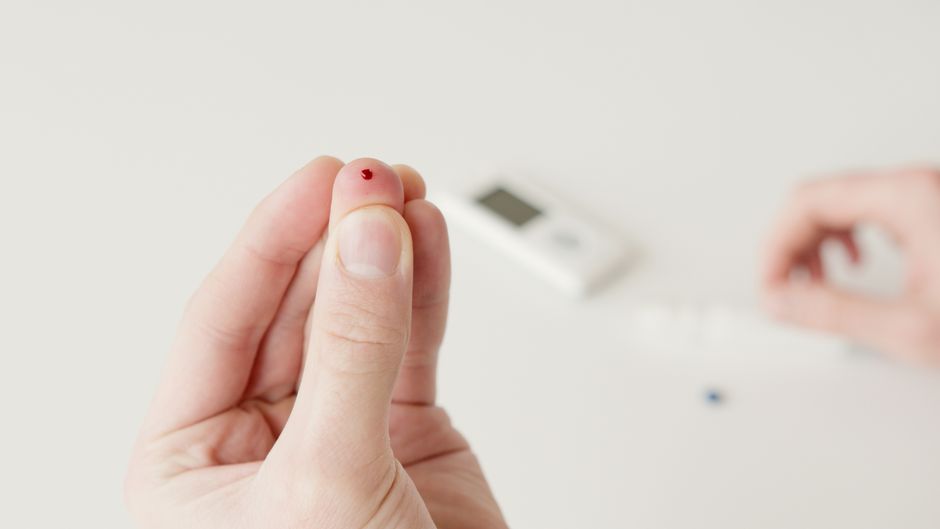
Check your blood sugar if you can. If it reads under 4, take around fifteen grams of fast acting carbohydrate, three or four glucose tablets, about a hundred and fifty millilitres of ordinary fizzy drink, or a small glass of fruit juice all land roughly in that range. Wait fifteen minutes, then check again. If you are still under 4, repeat the same fifteen grams. Once you are back above 4, follow up with a slower carbohydrate, a piece of bread or a plain biscuit, or your meal itself if one is due shortly, unless you are using a pump, where that follow up step is not usually necessary.
Turn what you just learned into a daily habit — Flona helps you apply it to real meals and doses.
Why the fifteen minute wait matters
It is tempting to keep eating the moment you still feel rough, but sugar takes a few minutes to actually reach your blood after you swallow it, so treating again too soon before that first dose has even had a chance to work often just means overshooting into a high afterward. The fifteen minute pause is not arbitrary. It gives the first dose time to actually do its job before you decide whether a second one is needed.
When a hypo is more than a quick fix
Occasionally a hypo shows up with no symptoms at all and only gets caught on a routine check. Treat it exactly the same way regardless, since the body does not care whether you felt it coming. And if hypos are becoming frequent, or you are finding it harder to notice the early warning signs than you used to, called hypo unawareness, that is a genuine conversation to have with your diabetes team rather than something to just manage quietly on your own.
Key points
- A hypo is a blood sugar under 4, and common triggers include too much insulin for the food eaten, unplanned exercise, alcohol, or heat.
- Skip chocolate. Its fat content slows sugar absorption exactly when you need it fast. Glucose tablets, juice or ordinary fizzy drink work far better.
- Take about fifteen grams of fast acting carbohydrate, wait fifteen minutes, recheck, and repeat if you are still under 4.
- Once back above 4, follow up with a slower carbohydrate unless a meal is due shortly or you are using a pump.
- Frequent hypos, or finding the early warning signs harder to notice than before, are worth raising with your diabetes team.

Comments