
Introduction
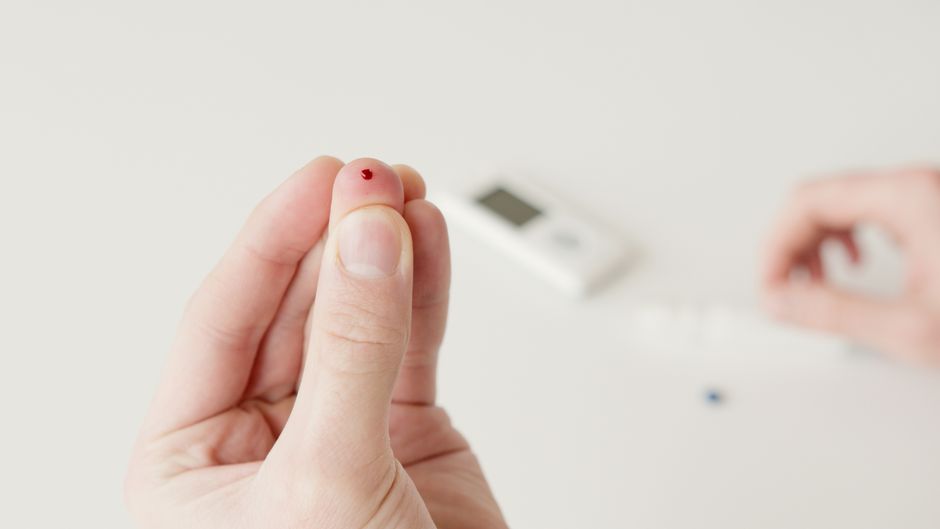
My first month of finger-pricks was a small horror show, mostly because nobody told me to stop stabbing the fat pads of my fingertips, which are wall-to-wall nerve endings. Once a nurse showed me to aim for the side of the finger instead, the whole thing went from an ordeal to a non-event I do without thinking. That gap between doing it badly and doing it well is most of what I wish someone had explained on day one, so here is the version I would give my newly diagnosed self about testing at home.
What the meter is really telling you
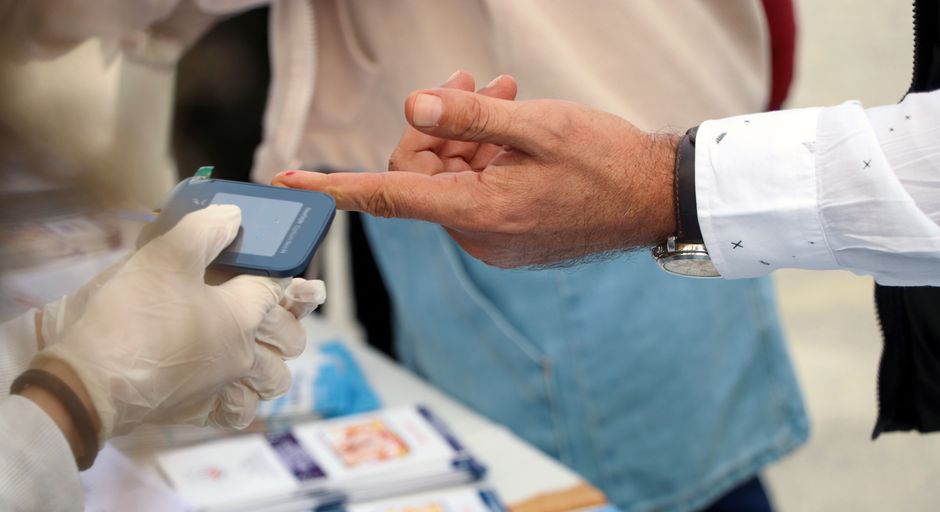
A blood glucose meter gives you one number, which is where your blood sugar is at this exact second, and that is both its strength and its limit. It is a photograph, not a film. It cannot tell you which way you are heading or how fast, only where you are right now, which is why a single reading is a fact to act on rather than a verdict on how you are doing. Most people without diabetes sit somewhere around four to seven before meals. With type 1 you will range wider than that, and the point of checking is not to feel judged by the number but to know what it is so you can decide what, if anything, to do next.
Getting a reading you can trust
Half of a wrong reading is a dirty finger. If you have just peeled an orange or had a biscuit, the sugar on your skin can throw the number sky high and send you chasing a high that was never there, so wash your hands with warm water and dry them, and skip the alcohol wipe or let it evaporate fully. Warm hands bleed more willingly than cold ones, so give them a shake if the blood will not come. Prick the side of the fingertip, not the middle, and rotate which finger you use so none of them gets sore and overused. A gentle squeeze up the finger beats jabbing deeper.
What to actually do with the number
A reading is only worth taking if it changes something or teaches you something. Sometimes that is small and immediate, like knowing it is safe to get behind the wheel or head out for a run right now. Sometimes it is the starting point for a dose, a correction or a meal. But the job I think matters most only shows up over weeks, once you and your team can look back and see the pattern, the fact that you always dip mid-morning, or spike an hour after pizza specifically. That is where a scribbled note next to an odd reading earns its keep, pizza, or a long walk, or a stressful meeting, because on its own a number is just a number. Context is what turns it into something you can actually use.
Turn what you just learned into a daily habit — Flona helps you apply it to real meals and doses.
How often is enough
There is no single right number of checks, and it flexes with your life, but the honest baseline for type 1 on injections is more often than feels convenient. Before meals, before bed, before driving, before and sometimes during exercise, and any time you feel odd in a way that might be a low. When something changes, a new insulin, an illness, a trip across time zones, you check more for a while until things settle. It sounds relentless written down. In practice it becomes a reflex, a few seconds folded into things you were doing anyway, and every check is a small piece of information you did not have a moment before.
Looking after the kit
The gear is fussy in a few small ways that matter. Test strips have an expiry date and go off, and an out-of-date strip can hand you a nonsense reading, so check the pot. Keep the meter and strips at normal room temperature rather than a freezing car or a hot windowsill. Set the date and time on the meter properly, because it logs your readings and a wrong clock scrambles the patterns your team is trying to read. Never share a lancing device with another person, for the same reason you would not share a toothbrush. And when a reading genuinely does not match how you feel, wash up and test again before you trust it.
Key points
- A finger-prick reading is a snapshot of right now. It does not show which way you are heading, so treat one number as something to act on, not a grade.
- Wash your hands first. Sugar on the skin is a common cause of a falsely high reading.
- Prick the side of the fingertip, not the sensitive middle, and rotate fingers so none gets sore.
- Check before meals, bed, driving and exercise, whenever you feel off, and more often for a while after anything changes, a new insulin, an illness, a long flight.
- The kit is fussier than it looks. Out-of-date strips give nonsense readings, and a meter left in a hot car or a cold pocket will not thank you for it either.

Comments