
Introduction
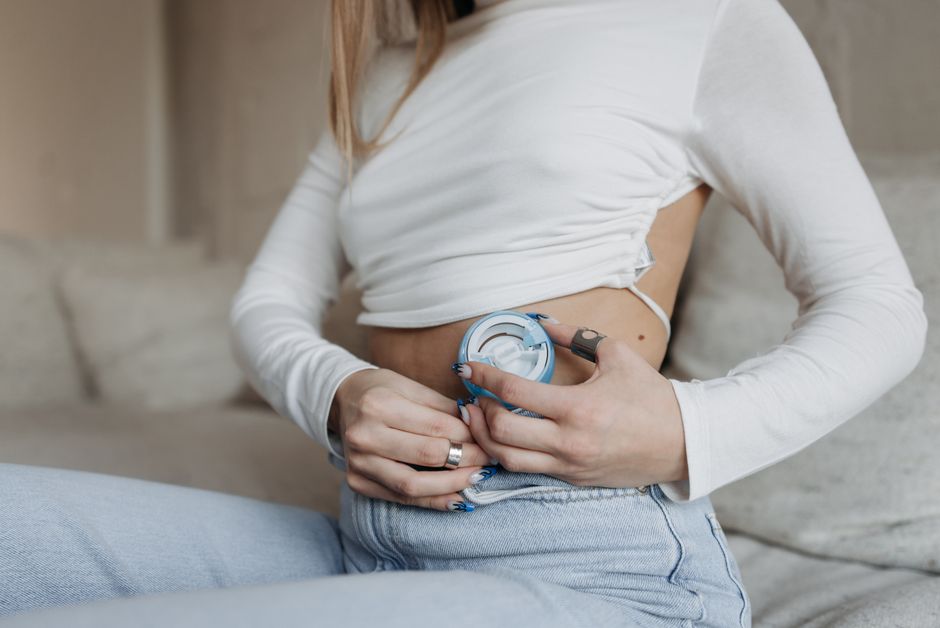
When I first suggest a sensor to someone, the question is nearly always whether it will hurt, and I understand it, because by the time we are having this chat you or your child have already had more finger-pricks than anyone should. So let me start there. Putting it on is a spring-loaded thing, over in a second, and most people tell me it is far kinder than the pricks they had been doing. What you get in return is the ability to see your sugar without stabbing a fingertip a dozen times a day. Let me walk you through it slowly, the way I would if you were sitting across the desk from me.
What the little sensor is really doing
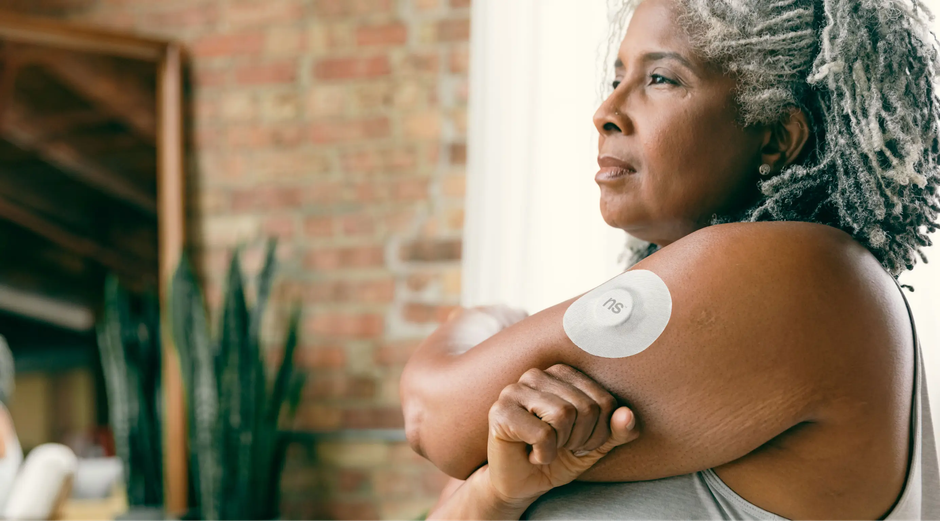
Here is the part that surprises almost everyone, so do not feel behind if it is news to you. The sensor is not reading blood. Under that round patch on the arm there is a soft thread, finer than a hair, sitting in the watery layer just beneath the skin, and it measures the sugar in that fluid rather than in a blood vessel. The fluid follows the blood closely, like a shadow, but it runs a few minutes behind. I mention it early because it explains the moments that would otherwise unsettle you, the times the sensor says one thing and a finger-prick says another. Usually neither is broken. The blood has simply moved and the fluid has not caught up yet. The patch stays on for a week or two, quietly taking a reading every few minutes, day and night, and sending it to a phone while you get on with your life.
The arrows are the part that lets people exhale
A finger-prick gives you a number and nothing else. You are a 7. Lovely, but a 7 on the way up and a 7 on the way down are two completely different afternoons, and the old meter never told you which one you were in. This is what the sensor changes, and it is the thing that helps a lot of people sleep again. Next to the number sits a small arrow. Pointing sideways, you can relax. Pointing down, you have time to get some juice in before a low ever arrives. You stop reacting to trouble after it lands and start heading it off while it is still small and easy to manage. For anyone who has been living braced for the next hypo, whether that is you or someone you are caring for, that shift is enormous.
The alarms are a gift, with one honest catch
I want to be straight with you about the alarms, because they are wonderful and they are also, at first, a lot. You can set the sensor to wake you if the sugar drops low in the night, and I have had parents tell me through tears that this caught a hypo at four in the morning they would never have felt in the next room, and adults living alone say much the same about a night they might not have woken from. That is the gift, and it is a real one. The catch is that in the first week, before you and your team have settled the levels, it can beep at every little wobble, and the tiredness makes people want to switch the whole thing off. Please do not, not on your own. Bring it to your team and let us soften the settings together, so it wakes you for what matters and leaves you be for what does not.
Turn what you just learned into a daily habit — Flona helps you apply it to real meals and doses.
Why we still keep the finger-prick meter close
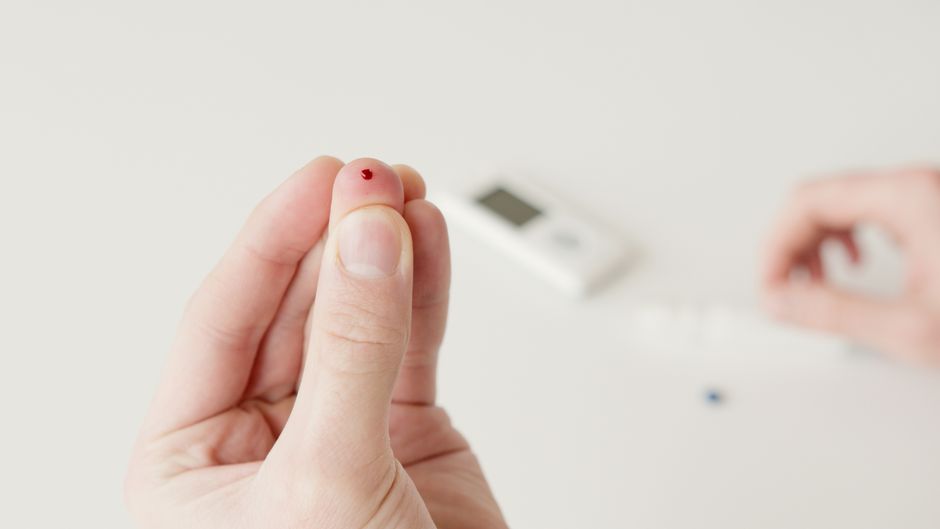
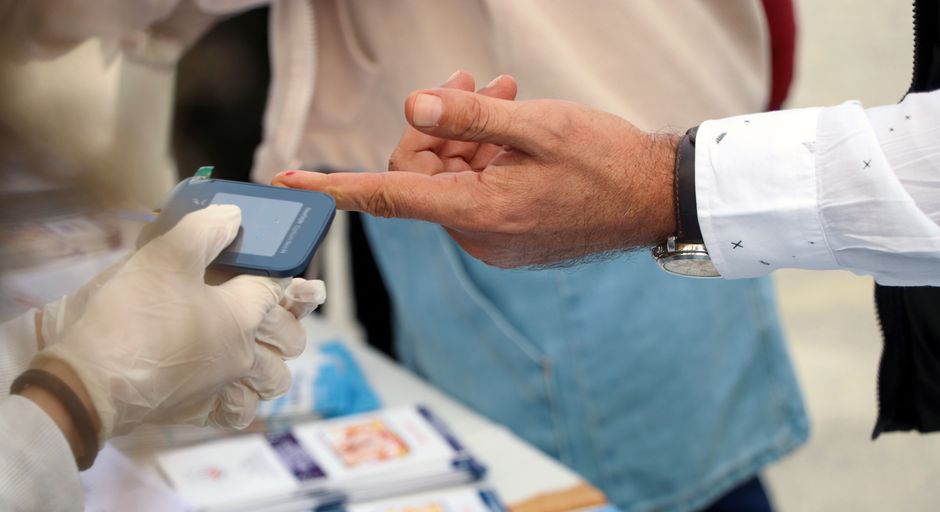
People often hope the sensor means the end of finger-pricks for good, and I never want to promise something the day cannot keep. It reduces them hugely. It does not quite retire the meter, for a reason rooted in what I told you earlier. When the sugar is moving fast, or when the sensor and how you actually feel do not match, that few-minute lag matters, and you check the old way before you act, especially before you treat a low. Some sensors also ask for the occasional finger-prick to keep themselves honest. So keep the meter charged and to hand. Think of it not as the sensor failing, but as the thing you reach for in the handful of moments that really count.
So, is it worth it
Almost everyone I have started on one tells me they would not go back, and the reason is rarely the numbers on a chart. It is that they got a piece of their life back. You glance at a phone instead of interrupting whatever you were doing to bleed a finger, you go to bed less afraid, you catch the lows before they frighten anyone. I will not pretend it is perfect. Adhesive gives up in a hot bath, a sensor now and then fails before its time, and there is a cost and a fiddly first fortnight while you get the hang of it. None of that has ever outweighed being able to see where the sugar is heading rather than only where it is. If it is offered to you, my honest advice is to try it, and to give it two weeks before you judge it.
Key points
- The sensor does not read blood. It reads the fluid just under the skin, which follows the blood like a shadow but trails it by a few minutes, and that is why the sensor and a finger-prick sometimes disagree.
- Putting it on is a quick, spring-loaded moment, and most people find it far kinder than the finger-pricks they are used to.
- The arrow is the part that helps you breathe. Seeing that the sugar is dropping, not just sitting at a number, gives you time to act before a low.
- The overnight alarm can catch a hypo you would sleep through, which matters just as much for an adult living alone as for a worried parent. If the early beeping is too much, bring it to your team to soften rather than switching it off.
- Keep the finger-prick meter nearby. When the sugar is moving fast, or the sensor and how you feel do not agree, check the old way before you treat.
Comments