

Introduction
A patient once called me from an airport, genuinely panicked, because security had questioned the needles in her hand luggage and she had left her doctor's letter at home. It was resolved in the end, but entirely avoidably, and that phone call is exactly why I now go through this list with every patient before a big trip rather than assuming they already know it.
Getting through security without a hitch
Get a letter from your doctor confirming you have diabetes and are carrying equipment to manage it, insulin, a meter, needles, and keep it with your documents. Insulin has to travel in your hand luggage, never checked, both because the aircraft hold can reach freezing temperatures and because losing a checked bag would mean losing an essential medicine entirely. Keep everything in its original packaging, and carry identification stating you have diabetes.
Backup plans if you use a pump
If you are on a pump, talk to your team or the manufacturer about bringing a spare in case of failure while away, and bring pens or syringes plus a written prescription too, along with knowing exactly how to switch back to injections if the pump genuinely fails on you somewhere far from home. This is not a step to skip because it feels unlikely to matter. It is precisely the situation where you do not want to be improvising.
Keeping insulin at the right temperature abroad
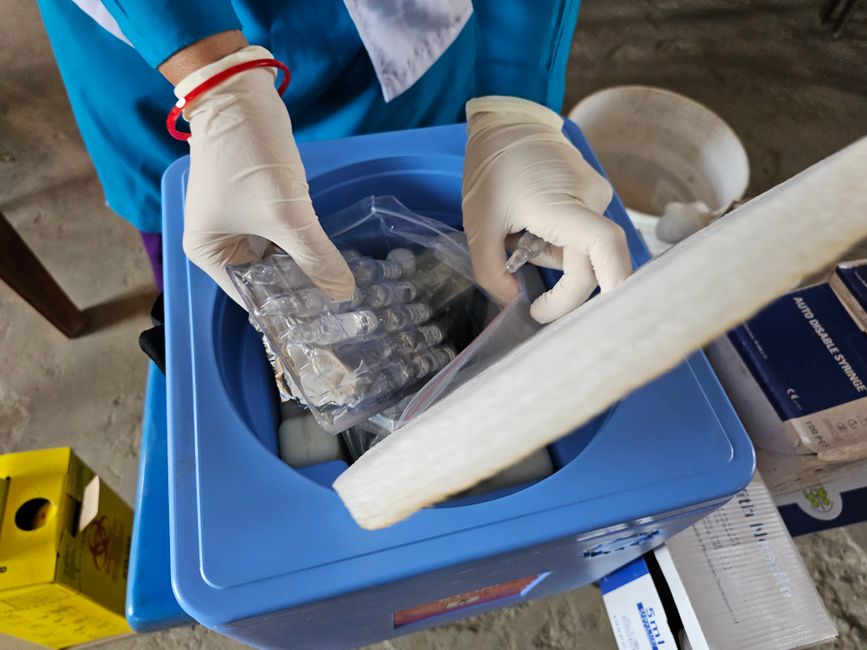
Your spare insulin still needs refrigerated storage while travelling, so find out in advance whether your accommodation has a fridge, or use an insulated cool pouch if it does not, keeping the insulin away from direct contact with any ice pack, which can freeze it just as effectively as a proper freezer would. Bring noticeably more supplies and insulin than you expect to need, in case the trip runs longer than planned for any reason.
Turn what you just learned into a daily habit — Flona helps you apply it to real meals and doses.
Time zones, heat and your feet
If you are crossing time zones, talk to your diabetes team beforehand about exactly when to take your insulin around the journey, since a long haul flight can genuinely confuse a fixed dosing schedule. Hot climates raise hypo risk too, since heat makes you more sensitive to your own insulin than usual, so test more often and keep fast acting carbohydrate close by. And do not forget your feet specifically, avoid walking on hot sand barefoot, and check them daily if you are doing more walking than usual on the trip.
The paperwork worth sorting before you leave
Check that your travel insurance actually covers diabetes related emergencies specifically, not just general medical cover, since policies vary more than people expect here. Bring extra testing strips and a spare meter in case you need to check more often than usual. And before you go, it is worth reminding yourself of your sick day rules one more time, since illness can happen anywhere, including somewhere unfamiliar and far from your usual team.
Key points
- Carry a doctor's letter confirming your diabetes equipment, and keep insulin in hand luggage always, never in checked baggage.
- On a pump, arrange a spare in advance and bring backup pens plus a prescription in case you need to switch back to injections.
- Keep spare insulin properly cool, away from direct ice pack contact, and bring more supplies than you think you will need.
- Crossing time zones and hot climates both need extra planning, insulin timing for the flight, and more frequent checks in the heat.
- Confirm your travel insurance actually covers diabetes emergencies specifically, and refresh your sick day rules before you go.


Comments