
Introduction
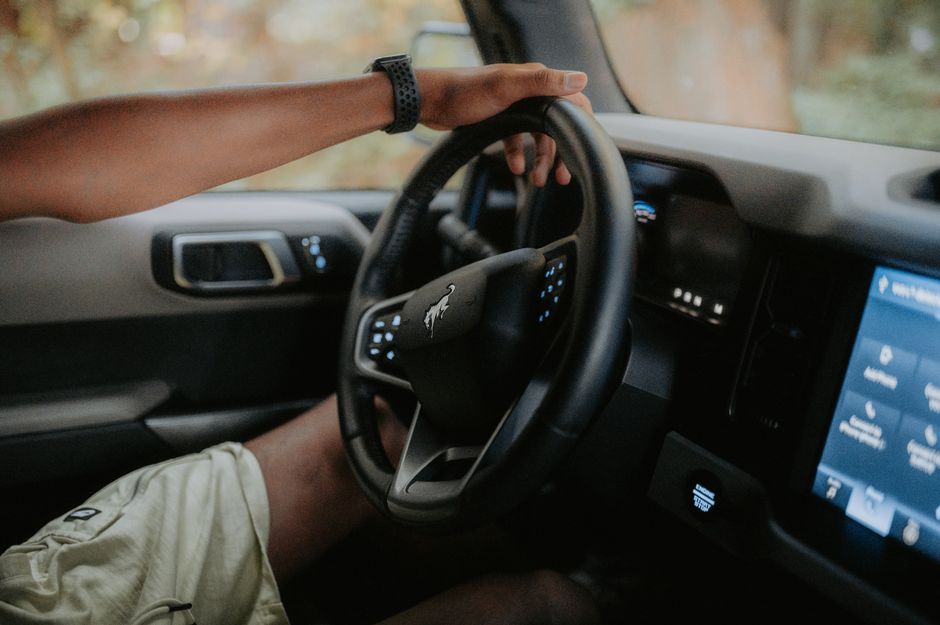
Having type 1 does not stop you driving, and I want to say that clearly first, because plenty of newly diagnosed people quietly worry it might. What it does mean is a short list of precautions worth actually building into habit, because a hypo behind the wheel is a genuinely different situation than a hypo on the sofa.
What you are legally required to do
You need to inform your national driving licence authority that you have diabetes treated with insulin, and tell your motor insurer too, which in most cases does not affect your premium at all. This is not optional paperwork. It is a legal requirement precisely because of the hypo risk driving specifically carries.
The checks worth doing every single time
Always keep your blood glucose meter in the car with you. Check your sugar before you set off, and again every couple of hours on a longer journey. If your reading is 5 or under, have a snack before driving. If it is under 4, or you feel hypo in any way, do not drive, full stop, treat it properly, and wait a genuinely appropriate interval, usually around forty five minutes, before getting back behind the wheel, since it takes that long for your brain to actually recover fully even after your sugar reading looks normal again.
What to do if you feel hypo while actually driving
Stop the car as soon as it is safe to do so. Switch off the engine, take the keys out of the ignition, and move out of the driver's seat entirely, not just sit there. Do not attempt to keep driving until you have waited that same forty five minutes after your sugar has genuinely returned to normal. Always keep an emergency supply of fast acting carbohydrate, glucose tablets or a small soft drink, within easy reach in the car specifically for this.
Turn what you just learned into a daily habit — Flona helps you apply it to real meals and doses.
A few extra situations worth extra care
Be particularly careful around changes to your insulin regimen, a new job with different hours, travel, or pregnancy, since any of these can shift your patterns in ways that catch you out on a route you normally drive without a second thought. On longer journeys, build in regular meals, snacks and rest breaks rather than pushing straight through, and skip alcohol entirely if you are driving, for reasons that go well beyond the usual drink driving rules.
Key points
- Diabetes is not a barrier to driving, but you are legally required to tell your driving licence authority and your insurer that you use insulin.
- Check your sugar before driving and every couple of hours on longer trips. A reading of 5 or under means have a snack first.
- Under 4, or feeling hypo at all, means do not drive. Treat it properly and wait about forty five minutes after recovery before setting off.
- If a hypo hits while driving, stop safely, switch off, remove the keys, and get out of the driver's seat, not just sit there waiting.
- Keep fast acting carbohydrate in the car at all times, and take extra care around any change to your insulin, routine or health.


Comments