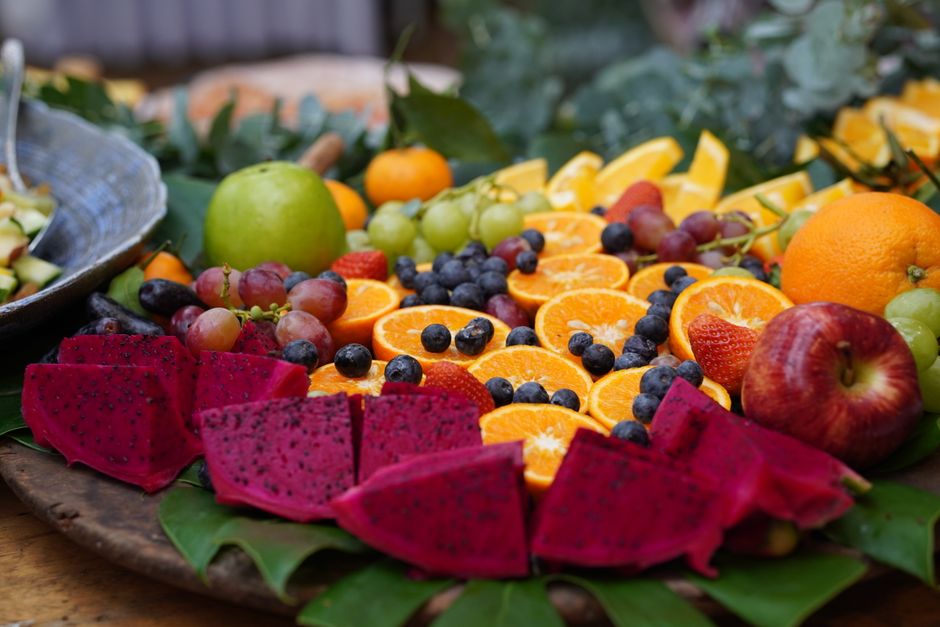
Introduction
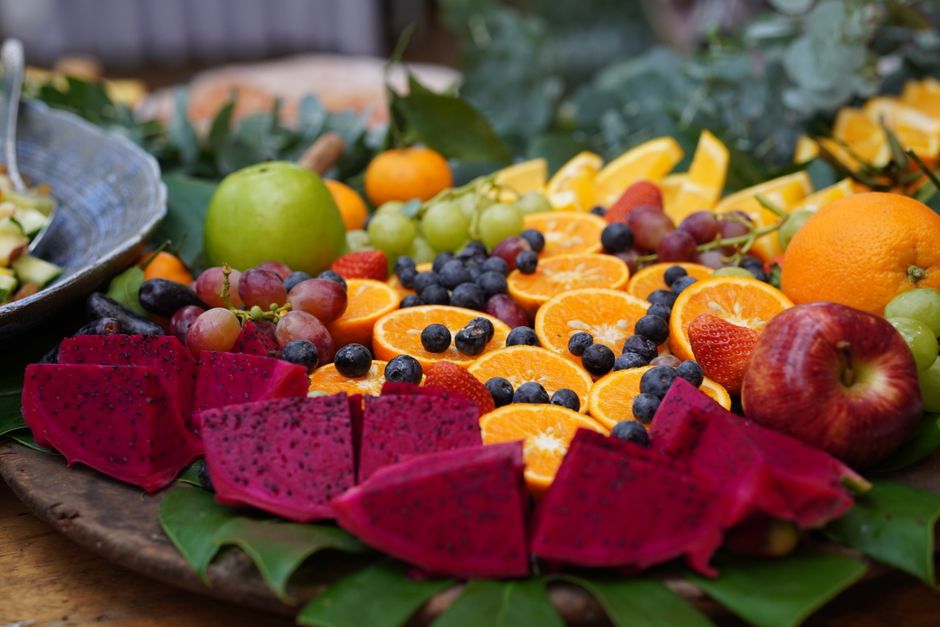
Fruit is far more than a packet of sugar. Each piece is a small biological system that balances water, fibre, natural sugars and minerals, and those components decide how quickly the sugar reaches your blood. Understanding that balance is what lets people with diabetes keep fruit on the menu with confidence.
The Science
Water, fibre and sugar in balance
Water makes up roughly 70–95% of the weight of most fruit. Some of that water is loosely held and releases sugar quickly; some is bound within the fruit's structure and fibre, which slows digestion and blunts the rise in glucose. Fruits that are more fibrous and less watery tend to have a gentler effect than very juicy, sugar-dense ones.
Ripeness changes everything
As fruit ripens, its starches convert to simpler sugars and its texture softens, so a fully ripe banana raises blood sugar faster than a firm, greener one. Ripeness is one of the biggest reasons the same fruit can be "safe" in one state and need caution in another.
Whole fruit versus juice
Juicing strips away most of the fibre that slows sugar absorption, leaving a concentrated liquid sugar that hits the bloodstream quickly. Whole fruit, eaten with its fibre intact, is almost always the better choice for glucose control.
Want help turning numbers like these into a dosing decision? Flona estimates carbs and supports your insulin decisions every day.
Foods in This Category
123 foods from Fruits are covered in this encyclopedia. Each links through to a full safety and portion breakdown.
Showing 1–50 of 123 — page 1 of 3.
Safest Picks vs. Use Caution
Within fruits, some items are gentler on blood sugar than others even at the well-controlled level. Use this quick split as a starting point, then confirm portions in the full directory above.