Introduction
Sweets are the hardest test on the diabetes journey, because they engage the brain's pleasure centres before the sugar ever reaches the blood. Understanding the different sugars — and the sweeteners that replace them — makes the occasional dessert manageable.
The Science
Sugar is not one molecule
Glucose, fructose and sucrose are metabolised differently: glucose raises blood sugar directly, fructose is processed largely in the liver, and sucrose is a bond of the two. This is why two equally "sweet" desserts can affect glucose in different ways.
Artificial sweeteners: safe, but with caveats
Non-nutritive sweeteners and sugar alcohols let desserts carry far less digestible sugar. They are broadly considered safe, but the source cautions against overusing them, as very high intake may still influence appetite and glucose regulation for some people.
Portion and frequency are the levers
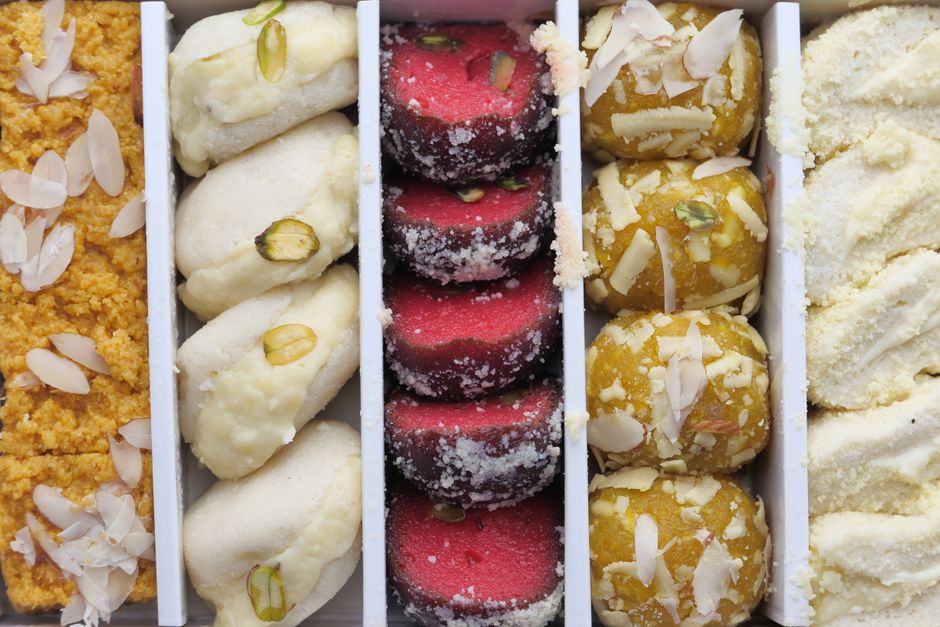
Traditional syrup-soaked pastries hit hardest; sugar-reduced versions and small, occasional servings are the practical path. The goal is room for enjoyment without derailing control.
Want help turning numbers like these into a dosing decision? Flona estimates carbs and supports your insulin decisions every day.
Foods in This Category
243 foods from Sweets & Sweeteners are covered in this encyclopedia. Each links through to a full safety and portion breakdown.
Showing 151–200 of 243 — page 4 of 5.
Safest Picks vs. Use Caution
Within sweets & sweeteners, some items are gentler on blood sugar than others even at the well-controlled level. Use this quick split as a starting point, then confirm portions in the full directory above.