
Introduction
Most people with type 1 today are on what is called a basal-bolus regimen, and the names alone confuse people before anyone has explained anything useful. Let me walk you through what an actual day looks like on this system, rather than just the theory, because seeing it in practice is what makes the dosing decisions click.
The background insulin, the one you barely think about
Basal insulin is long-acting, given once or sometimes twice a day, and its whole job is providing a steady, low, around-the-clock supply that matches the glucose your liver quietly releases between meals and through the night, even when you have not eaten a thing. Without it, your blood sugar would simply drift upward overnight from the liver's own output alone. This one is not there for food. It is there to keep the floor steady while nothing is happening.
The mealtime insulin, the one you actively dose
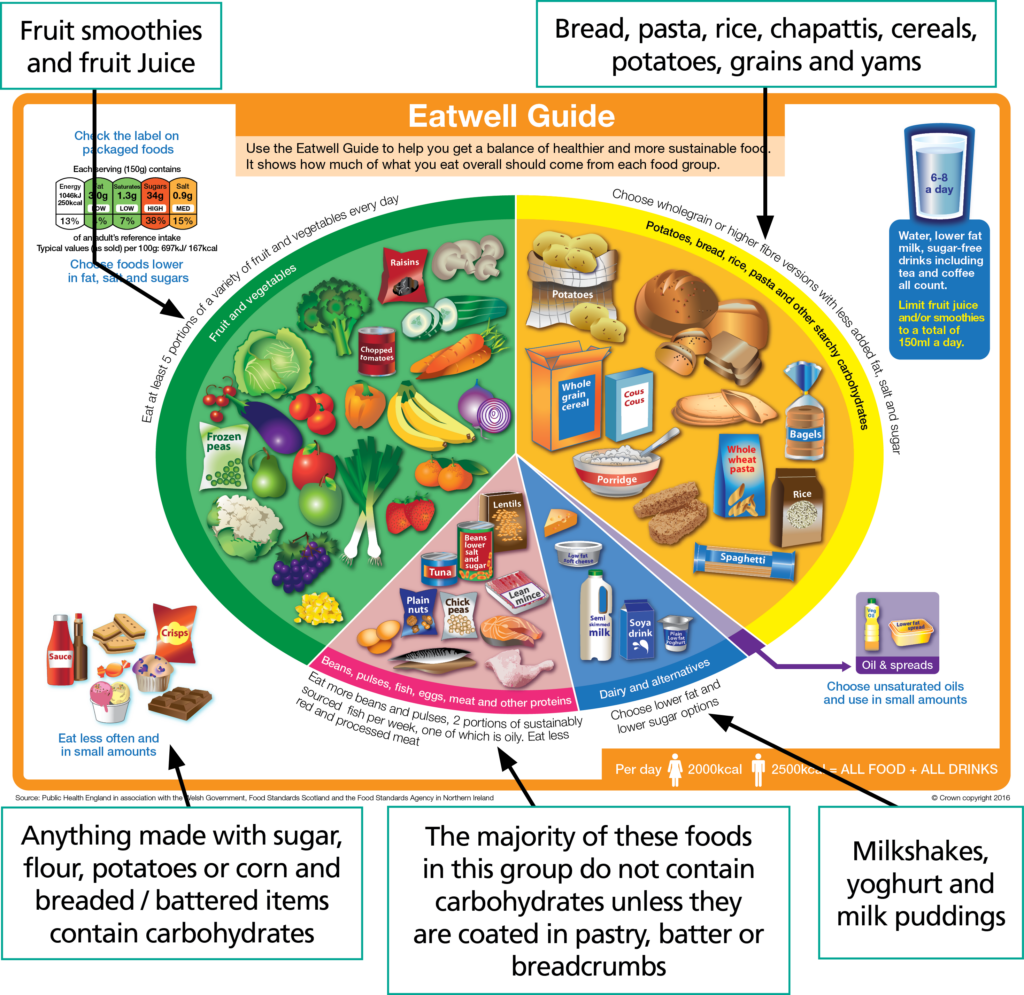
Bolus insulin is rapid or short-acting, taken around meals to cover whatever carbohydrate is about to land, a bowl of rice, a sandwich, a plate of pasta. Because it needs to act fast, it is timed around eating itself, and the dose comes from counting the carbohydrate in front of you. It has a second job too, correcting a blood sugar that is already running high, entirely separate from any food being eaten at the time.
Why one alone was never going to be enough
These two are built to work as a pair, not as substitutes for each other. Basal insulin on its own cannot begin to handle the sharp rise after a proper meal, it is too slow and too flat for that job. Bolus insulin on its own cannot hold a steady overnight level, since it wears off within a handful of hours. Together, one covers the sugar that is always trickling in from the liver, the other covers the sugar that arrives on demand from food, and between them they land much closer to what a working pancreas actually does.
What an actual day looks like
In practice this usually means one or two long-acting injections at roughly the same time daily, often at bedtime, plus a separate rapid injection before breakfast, lunch and dinner, each one sized to whatever carbohydrate is actually on the plate that day, porridge in the morning, a jacket potato at dinner. That flexibility is the whole selling point. A meal running late, or a bigger portion than usual, does not derail the rest of the day the way it might on a more rigid plan.
Turn what you just learned into a daily habit — Flona helps you apply it to real meals and doses.
How this differs from the older twice-daily approach
An older, simpler system uses mixed or biphasic insulin, a single injection blending a shorter and a longer acting component, usually given twice daily before breakfast and dinner. Fewer injections, yes, but far less give in it, because meals need to stay fairly consistent in timing and size from day to day, since the ratio between the two components in the injection is fixed rather than adjusted meal by meal. Basal-bolus has become the more common choice in type 1 specifically because it bends around real, variable life so much better.
Dialling it in properly takes time
Getting the doses right is not a one-off decision. It gets refined over weeks and months with your diabetes team, using the patterns in your glucose readings or your sensor data. A well-set basal dose should hold you fairly flat overnight and between meals when nothing is being eaten. A well-matched bolus dose brings you back to target a few hours after food, without a sharp spike or a low chasing behind it. Whenever your routine, diet or activity genuinely shifts, that is worth a fresh look with your team rather than just muddling through.
Key points
- Basal insulin is long-acting and covers the background glucose your liver releases, day and night, whether or not you have eaten.
- Bolus insulin is rapid or short-acting, covering the carbohydrate in a meal or correcting a high reading on its own.
- The two are built to complement each other. Neither one alone can do what the pair does together.
- Basal-bolus flexes around real meals and real timing far better than older, fixed twice-daily mixed insulin.
- Getting the doses right takes ongoing tuning with your team, especially whenever your routine, food or activity genuinely changes.


Comments