
Introduction
I have watched people inject insulin for years the same slightly wrong way and wonder why their numbers were never quite predictable, and it is rarely a big mistake. It is usually a handful of small habits, and fixing them tends to make more difference than people expect. Insulin has to actually reach the right layer under your skin to behave the way it is supposed to, so let me walk through what genuinely matters, whether you are using a pen or a syringe.
Pen or syringe, the goal is the same
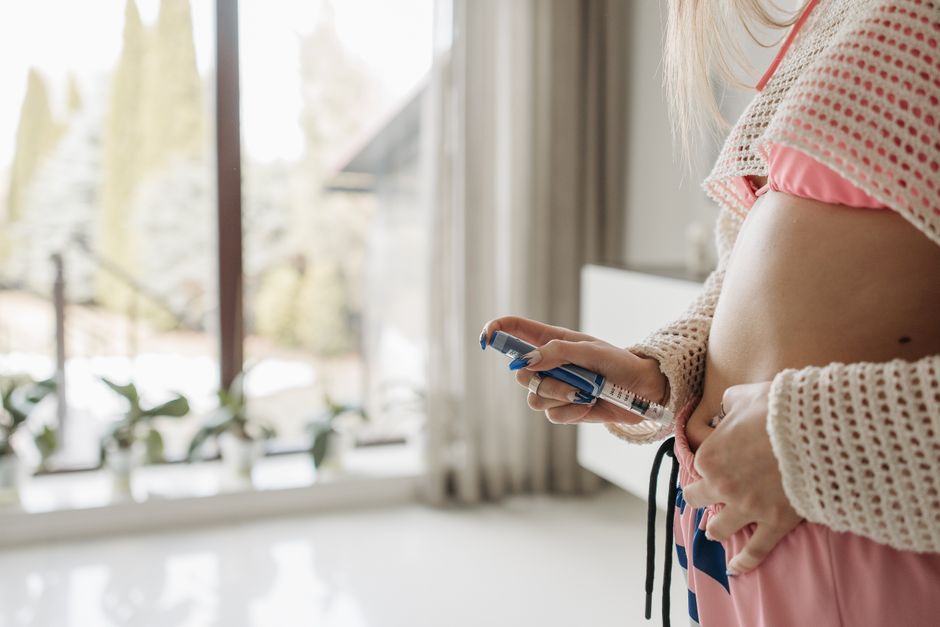
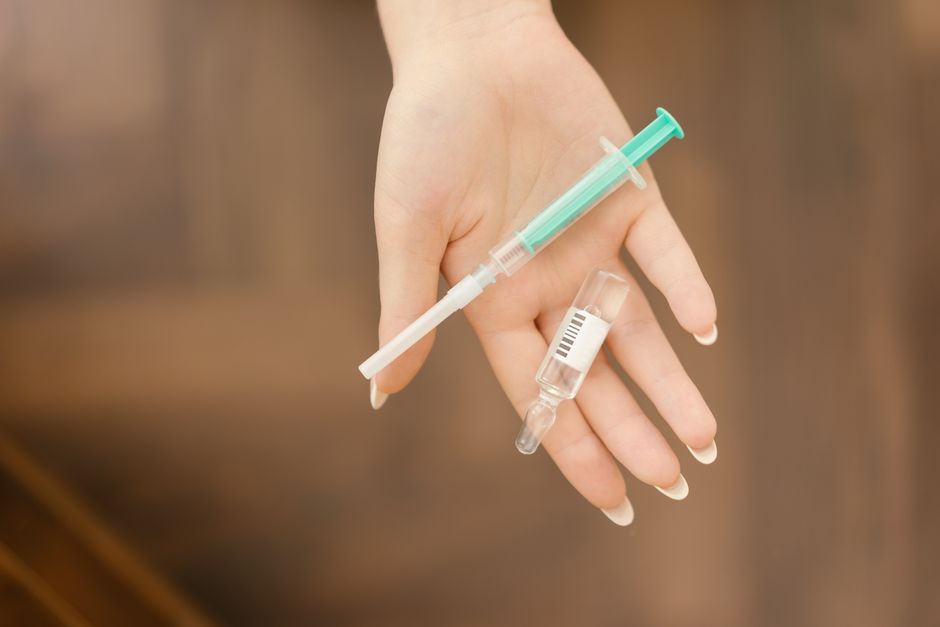
Most people with type 1 today use a pen, a device that looks a bit like an oversized fountain pen, holding an insulin cartridge with a fine disposable needle screwed on fresh before each injection. Pens let you dial a precise dose and tend to be easier and more discreet than drawing insulin up from a vial into a traditional syringe, though syringes are still used in some situations and work perfectly well. Whichever tool you use, the actual goal never changes. Get the insulin into the fatty layer under the skin.
The layer that actually matters
Insulin belongs in the subcutaneous fat, the soft layer just beneath the skin, not in muscle. Accidentally hitting muscle can make the insulin act faster and considerably less predictably, which is exactly why technique and site choice are not just fussiness. To reach the right layer reliably, most people pinch a fold of skin before injecting, particularly if they are leaner, and go in at the angle their specific pen or syringe calls for, usually straight in at ninety degrees.
Where you can actually inject
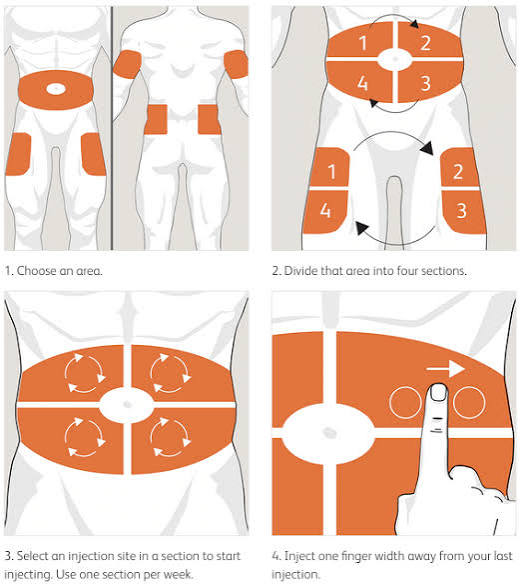
The usual spots are the abdomen, keeping clear of a two centimetre circle around the navel, the front and outer thighs, the buttocks, and the back of the upper arms. Each of these has a reasonably thick, even layer of fat that lets insulin absorb steadily. Speed differs a little between them too. The abdomen tends to absorb insulin somewhat faster than the thigh or buttock, worth knowing if you deliberately use different sites for different insulins or different times of day.
A fresh needle, every single time
Needles are built for one use, and that means every injection, not once a day and not once a week. Even a single use dulls a needle and can bend it microscopically, which makes the next injection more likely to hurt, and a reused needle also raises the risk of infection and skin damage over time, feeding into the fatty lumps we talk about elsewhere in this guide. Fresh needles cost very little next to what they save you in comfort and skin health.
Turn what you just learned into a daily habit — Flona helps you apply it to real meals and doses.
The small habits that add up
A few things make injections noticeably more reliable. Let a refrigerated pen warm to room temperature first, since cold insulin genuinely stings going in. Push the dose through at a steady, unhurried pace rather than rushing it. Hold the needle in place for about ten seconds after the dose has gone in, so it has time to actually disperse before you pull out. And resist the urge to rub the site afterward, since that can speed absorption up in an unpredictable way. None of this adds more than a few seconds, and together it makes a real difference.
Getting the timing right against food
How far ahead of eating you inject depends entirely on which insulin you are using. Rapid-acting is usually given within about fifteen minutes of a meal, since it starts working quickly enough to keep pace with how fast carbohydrate from something like porridge or a banana actually digests. Short-acting needs a longer head start, typically twenty to thirty minutes, because it simply takes longer to get going. Getting this right is what lets the insulin and the food arrive in your bloodstream together, rather than one running ahead of the other.
Key points
- Insulin belongs in the subcutaneous fat layer, not muscle, and pinching skin before injecting helps reach it reliably.
- The abdomen, thighs, buttocks and upper arms are the usual sites, and absorption speed differs slightly between them.
- Use a fresh needle every single time. Reusing one dulls it, can bend it microscopically, and raises infection risk.
- Small habits, warming refrigerated insulin, a steady pace, holding for ten seconds, not rubbing the site, add up to real consistency.
- Timing before meals depends on your insulin type: about fifteen minutes for rapid-acting, twenty to thirty for short-acting.

Comments