
Introduction
This is one of the more hopeful conversations I get to have in clinic, because insulin resistance, the thing sitting right at the start of type 2, is also the part of this whole story that people have the most genuine power over. Understanding what it actually is changes how the rest of this reads, from a one-way road into something you can often push back against, especially if you catch it early.
What insulin resistance actually means
It means your cells have grown less responsive to insulin, so your pancreas has to release more of it just to move the same amount of sugar out of the blood. It typically starts quietly in the liver and the muscles, driven mostly by excess calories and too little movement over time. On a blood test, it gets estimated from a fasting sample, usually after eight to twelve hours without food, using both your fasting glucose and fasting insulin to work out a ratio called HOMA-IR. That number is a warning flag pointing at future risk. It is not, on its own, a diagnosis of diabetes.
Why your muscles matter more than you would think
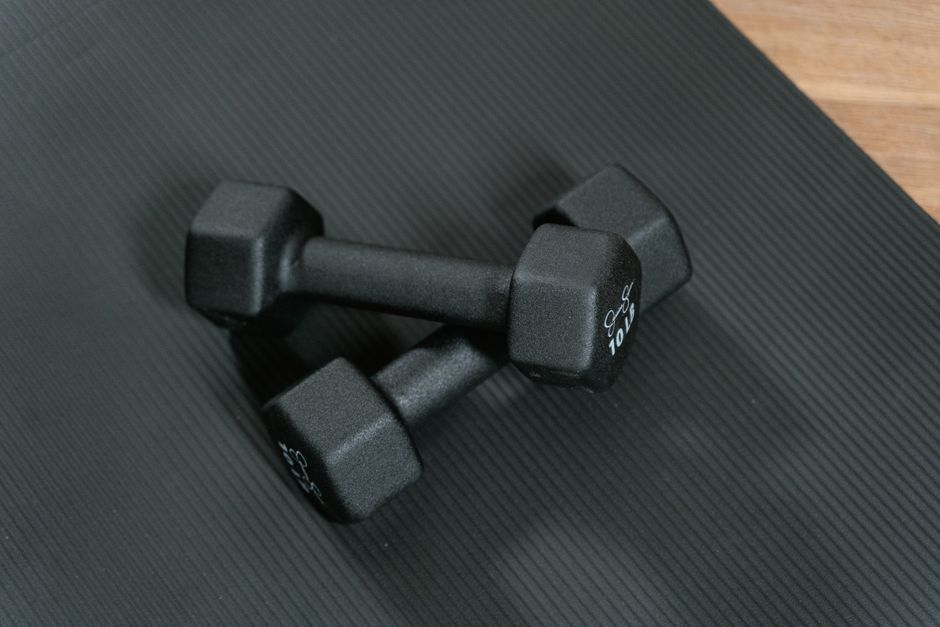
Muscle happens to be the biggest user of glucose in your entire body, which makes building and actually using it one of the most effective things you can do to soak up excess blood sugar. Every kilogram of muscle works a bit like its own glucose reservoir. That is really the whole reason strength work and regular movement sit so close to the centre of reversing this.
What genuinely turns it around
The early stages here are properly reversible, and I mean that plainly, not as a hopeful gloss. Regular movement, some weight loss where it applies, and steadier sleep and meals can slow this down, stop it, or in plenty of people push it back altogether. Even once things have moved a bit further along, catching it and working at it early, with real attention to food, movement and your own mental bandwidth, still counts for a great deal.
Key points
- Insulin resistance is a risk marker, measured by tests like HOMA-IR, not a diagnosis of diabetes on its own.
- Muscle is your body's biggest glucose consumer, which is why building and using it is one of the most effective ways to improve control.
- The early stages are genuinely reversible through regular movement, some weight loss where relevant, and steadier sleep and meals.




Comments