
Introduction
This is the conversation I most want families to have before it is ever needed, not during an emergency. A severe hypo is the one situation in diabetes where the person themselves cannot fix it, and that means someone nearby has to know exactly what to do, calmly, without having to look it up in the moment.
How a hypo becomes severe
Your brain needs a steady, continuous supply of glucose to function, and if an ordinary hypo is left untreated and blood sugar keeps dropping, that supply to the brain gets genuinely interrupted. What follows can include drowsiness, confusion, agitation or aggression that seems completely out of character, and in the worst cases, seizures or loss of consciousness. This is not the same situation as a mild low that a juice box fixes.
What glucagon actually is
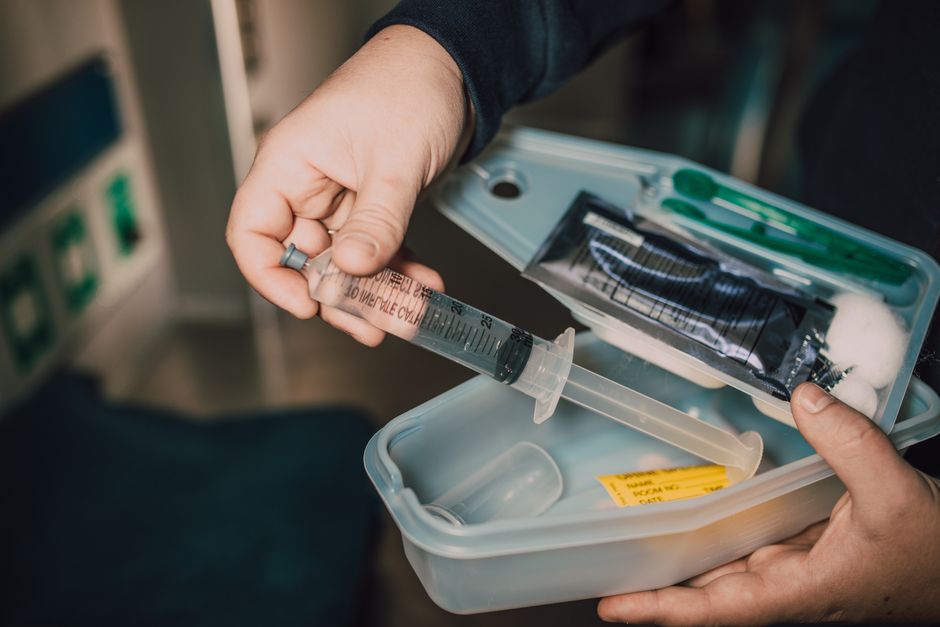
Glucagon is an emergency injection, available on prescription, that raises blood sugar rapidly when someone cannot safely swallow anything themselves, which is exactly the situation in a severe hypo. It needs to be given by someone else, a family member, a partner, a friend, who has been shown how to do it by the diabetes team beforehand. Keep it in the fridge, check it is in date, and make sure at least one person close to you actually knows where it is and how to use it.
What to actually do if you find someone like this
If someone with diabetes is very drowsy or has lost consciousness, put them in the recovery position, on their side, and do not put anything in their mouth, no food, no drink, nothing, because of the real risk of choking. Call an ambulance. If you have been shown how to give the glucagon injection, give it. These three things, in this order, matter more than trying to remember every detail of what caused it.
Turn what you just learned into a daily habit — Flona helps you apply it to real meals and doses.
Why telling people matters more than it feels like it should
Wearing something that identifies you as having diabetes, a bracelet, a card in your wallet, means that if you are ever found unwell and unable to explain yourself, whoever helps you already knows the most important fact. It is also worth simply telling the people around you, colleagues, close friends, what your own hypo symptoms tend to look like and what they should do, because a hypo can sometimes be mistaken for being drunk, and that mistake costs precious time.
What happens afterward
Always tell your diabetes team about a severe hypo at your next review, even if you feel completely fine afterward. If they are happening more than once, or you are finding the early warning signs harder to catch than you used to, that pattern is worth discussing properly rather than hoping it does not happen again.
Key points
- A severe hypo starves the brain of glucose and can cause confusion, aggression, seizures or loss of consciousness. The person cannot treat themselves.
- Glucagon is an emergency injection that someone else gives when a person cannot safely swallow anything, and it needs to be kept in date in the fridge.
- If someone is very drowsy or unconscious: recovery position, nothing in the mouth, call an ambulance, and give glucagon if you have been shown how.
- Wearing diabetes identification and telling close friends or colleagues your hypo symptoms means help arrives faster and is not mistaken for something else.
- Always tell your diabetes team about a severe hypo afterward, especially if they are becoming more frequent.


Comments