
Introduction
Before anyone can count carbohydrate properly, they need a decent map of where it actually lives, and a surprising number of newly diagnosed people never get handed one clearly. Someone once asked me, entirely sincerely, whether chicken had carbs in it. It does not, and that gap in basic knowledge is far more common than you would think, so let me lay the actual map out.
The obvious carriers
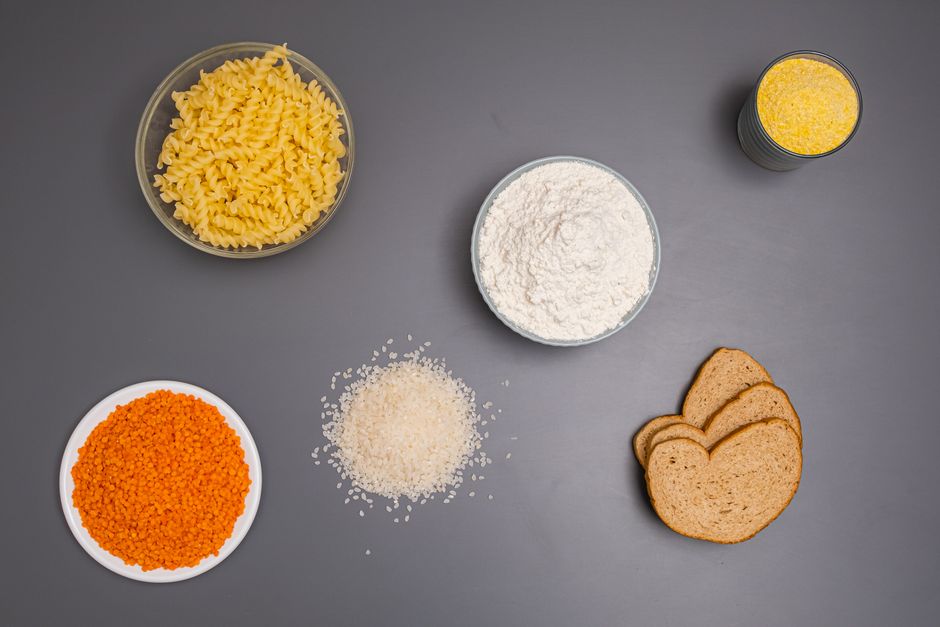
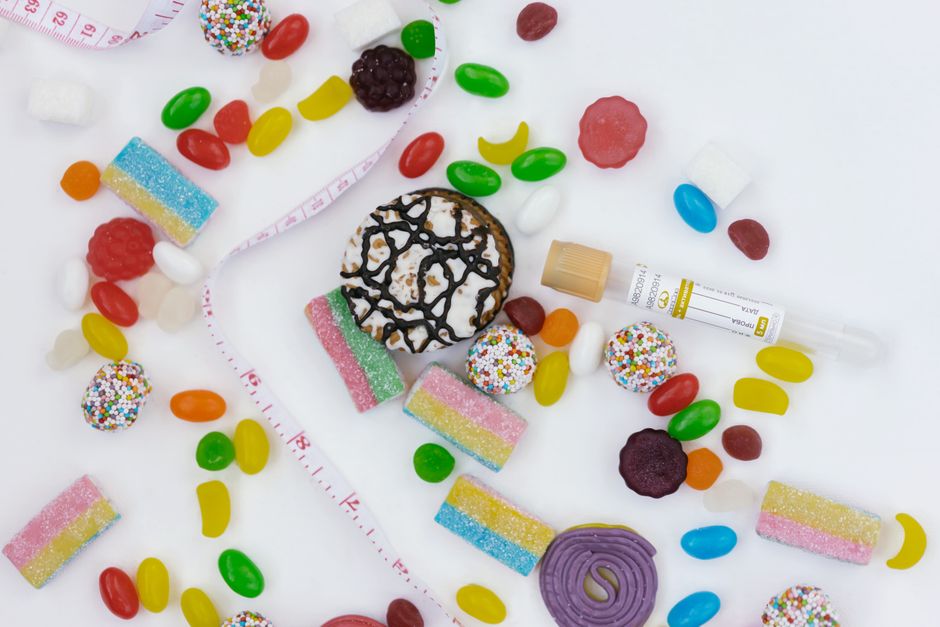
Bread, rice, pasta and potatoes are the ones nobody argues with, alongside breakfast cereal and anything obviously sugary, biscuits, sweets, cake. These are broken down into glucose and will move your blood sugar, no surprises there. What trips people up is not this list. It is everything else.
Milk and fruit are carbs too, quietly
Milk and yoghurt contain a natural sugar called lactose, which counts as carbohydrate just as much as the sugar in a biscuit does, even though it does not taste sweet in the way you would expect. Fruit contains its own natural sugar, fructose, and will raise your blood sugar accordingly, which is exactly why fruit juice works so well and so fast for treating a hypo, and why a large bowl of grapes deserves the same respect as a slice of bread would.
What genuinely has almost none
Cheese, despite coming from milk, contains essentially no carbohydrate once it has been made. Meat, fish and eggs are the same, essentially carb free, which is why you can generally stop worrying about counting them at all. Vegetables and salad that grow above ground, think leafy greens, peppers, courgettes, are low enough that most people do not need to count them precisely either, though starchy vegetables like potatoes and sweetcorn are a different story entirely and belong with the bread and rice group.
Turn what you just learned into a daily habit — Flona helps you apply it to real meals and doses.
Why this map actually matters
Knowing roughly where carbohydrate hides is the entire foundation carb counting is built on. It is not about avoiding these foods. Diabetes does not call for a special diet, just an ordinary healthy one, plus the skill of matching insulin to what is actually on the plate. Getting this basic map right first is what makes every food label and every plate afterward genuinely easier to read.
Key points
- Bread, rice, pasta, potatoes, cereal and anything sugary are the obvious carbohydrate sources everyone expects.
- Milk, yoghurt and fruit contain natural sugars, lactose and fructose, that count as carbohydrate even though they do not always taste like it.
- Cheese, meat, fish and eggs contain essentially no carbohydrate, so they barely need counting at all.
- Above ground vegetables are low in carbohydrate, but starchy ones like potatoes and sweetcorn belong with the bread and rice group instead.

Comments